Indoor air quality in schools has become an increasingly important issue across Australia. From the lingering impacts of COVID-19 to severe bushfire smoke seasons and rising rates of childhood asthma and allergies, schools are now more aware than ever that the air students and teachers breathe each day directly affects health, wellbeing and learning outcomes.
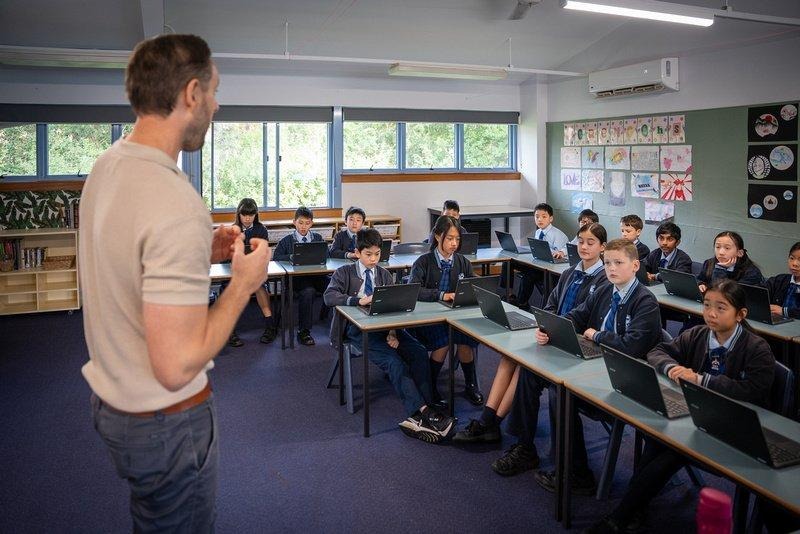
Children spend a significant portion of their day inside classrooms, often in close proximity to others. When indoor air quality is poor, it can contribute to higher absenteeism, reduced concentration and increased fatigue. Improving school air quality is no longer just about comfort — it is about creating safer, healthier and more productive learning environments.
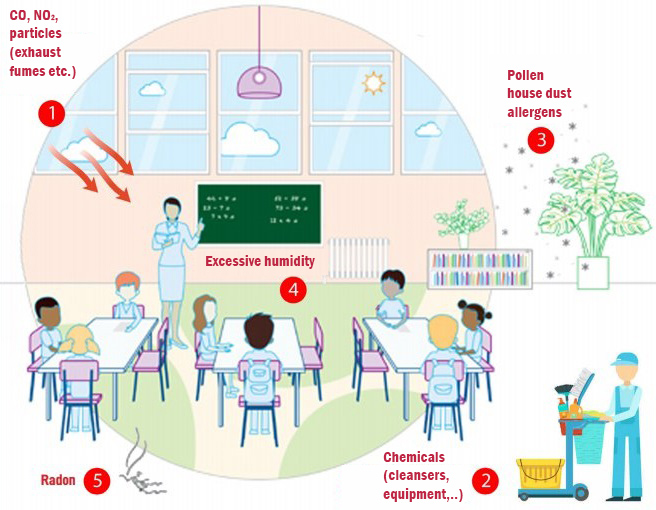
Classrooms are high-occupancy spaces where airborne pollutants can build up quickly. Students breathe faster than adults and their lungs are still developing, making them more vulnerable to airborne contaminants. Common indoor pollutants in schools include fine dust particles (PM2.5), allergens, bacteria, viruses and elevated carbon dioxide levels.
Poor air quality has been linked to headaches, tiredness and difficulty concentrating, all of which can impact learning. For teachers and staff, prolonged exposure can also contribute to respiratory issues and increased sick leave. Clean, well-managed air is a foundational element of a healthy school environment.
Many Australian schools operate in buildings that rely heavily on sealed classrooms and recirculated air. Windows may remain closed due to noise, safety concerns, weather extremes or air pollution outside. While air conditioning systems control temperature, they do not always provide adequate fresh air exchange.
This can result in stale indoor air, even when a room feels comfortable. Elevated carbon dioxide levels are a common indicator of insufficient ventilation and can lead to drowsiness and reduced attention among students. Addressing ventilation without major building works is a challenge faced by many schools.
High-performance air purification offers a practical solution where ventilation alone is not enough. Advanced air cleaners continuously remove fine particles, allergens, bacteria and viruses from the air, reducing the overall pollutant load in classrooms.
For schools, effective air purification needs to be powerful, quiet and reliable. Systems must operate throughout the school day without disrupting lessons, while delivering consistent, measurable improvements in indoor air quality.
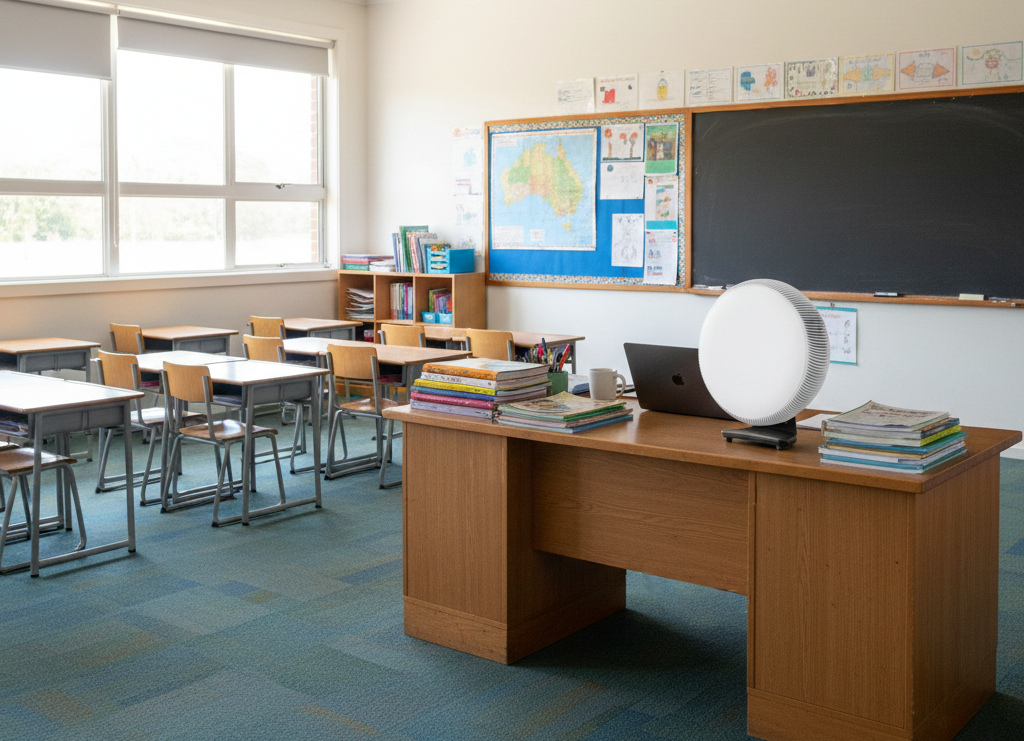
The ATEM X from IQAir has been specifically engineered for large indoor environments such as classrooms, lecture theatres, libraries and school halls. Its high airflow and advanced filtration technology make it well suited to spaces where many people share the same air for extended periods.
Wall-mounted installation keeps floors clear and safe, while its quiet operation allows it to run continuously without distracting students or teachers. For schools seeking a robust, long-term air quality solution, the ATEM X is designed to meet both performance and practicality requirements.
A key advantage of the ATEM X for schools is its ability to be fitted with a fresh air duct. This system draws in approximately one-third fresh outdoor air and blends it with two-thirds filtered indoor air.
This approach delivers multiple benefits. The air is not only cleaned of dust, allergens, bacteria and viruses, but it is also constantly refreshed. Introducing fresh air helps manage carbon dioxide levels, supports alertness and creates a more comfortable classroom environment. Importantly for schools, this can be achieved without costly renovations or major upgrades to existing ventilation systems.
Cleaning the air is only part of the solution — understanding air quality is just as important. Schools across Australia are increasingly monitoring indoor air quality to better manage health risks and improve transparency for staff, students and parents.
Air quality monitoring is also proving valuable as an educational tool. Many schools now incorporate air monitoring into science, health or sustainability projects, allowing students to work with real-world data and better understand the relationship between environment and wellbeing.
Yes, high-performance air purifiers can make a significant difference in classroom environments. They continuously remove airborne pollutants such as fine dust (PM2.5), allergens, bacteria and viruses that naturally build up in high-occupancy spaces. In schools, this can help reduce the spread of airborne illness, support students with asthma or allergies and create a healthier environment that supports concentration and learning.
Ventilation introduces outdoor air into a space, while an air purifier cleans the air already inside the room. Ideally, classrooms benefit from both. In many schools, however, ventilation is limited due to building design, weather, noise or safety concerns. Advanced air purifiers help bridge this gap by removing contaminants from indoor air. Systems like the ATEM X can also integrate fresh outdoor air, combining the benefits of ventilation and air purification in one solution.
Yes. The ATEM X from IQAir has been designed for use in occupied spaces such as classrooms and lecture rooms. It operates quietly, allowing it to run continuously throughout the school day without disrupting teaching or student concentration. Wall-mounted installation also helps keep classrooms safe and uncluttered.
Very much so. Air quality monitors allow students and teachers to see real-time data about their indoor environment, helping make air quality visible and understandable. Many schools incorporate air monitoring into science, health or sustainability programs, using it as a practical way to explore environmental science, data interpretation and wellbeing. Monitors can also help staff make informed decisions about ventilation and air cleaning.
The number of units required depends on classroom size, ceiling height, occupancy levels and existing ventilation. In many cases, a single high-capacity system designed for large rooms can effectively service a standard classroom. Larger spaces, open-plan learning areas or rooms with limited ventilation may require additional units. An air quality assessment is the best way to determine the most effective solution for each school environment.
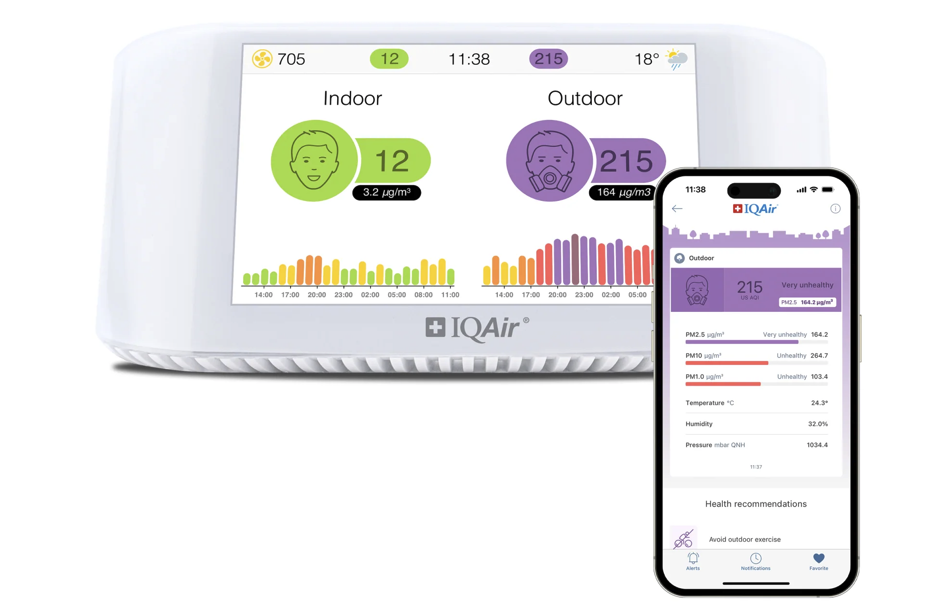
The IQAir AirVisual Pro is embedded directly within the ATEM X, enabling schools to combine air purification and air quality monitoring in a single, integrated system. This allows real-time visibility of indoor air conditions while the air is actively being cleaned.
The AirVisual Pro connects with both local and global air quality data, giving schools valuable context for their indoor readings. Its clear, easy-to-understand display makes air quality information accessible for teachers and students alike, supporting both health management and educational outcomes.
Improving air quality in schools is an investment in student health, teacher wellbeing and academic performance. By combining high-performance air purification, fresh air integration and real-time monitoring, solutions such as the ATEM X with AirVisual Pro provide schools with a practical, future-focused approach to indoor air quality.
As Australian schools continue to prioritise wellbeing and resilience, clean and fresh indoor air is becoming an essential part of modern education environments — supporting healthier classrooms today and better learning outcomes for years to come.