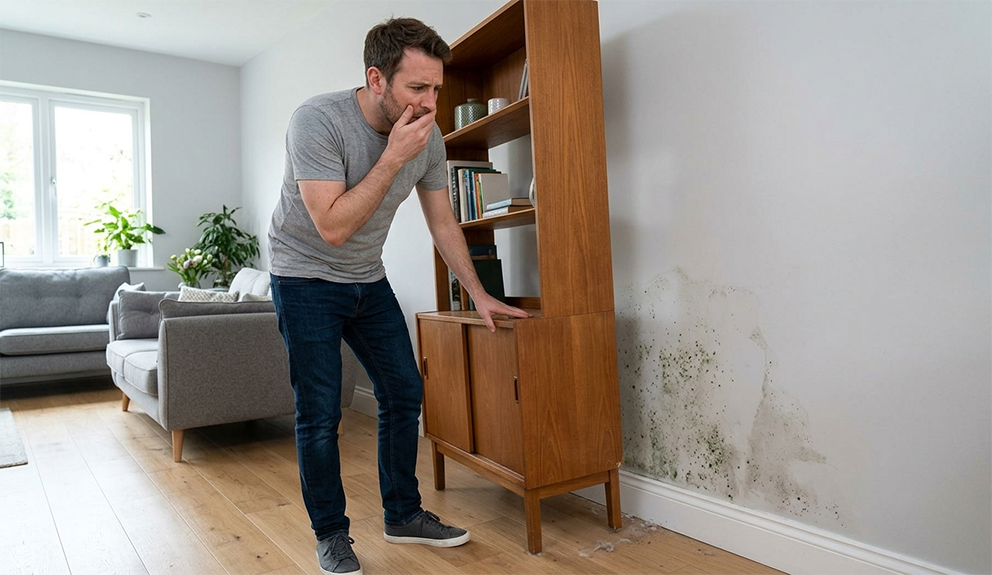
You've probably heard that air purifiers can improve indoor air quality—but can they really help with mould? The short answer is yes, but only to a point.
Air purifiers are highly effective at capturing airborne mould spores, helping to reduce their spread and impact on your health. However, not all air purifiers perform equally. The type of filtration technology used plays a critical role in how effectively mould particles—and even smaller harmful by-products—are removed from the air.
To understand what works best, it’s important to look at how mould behaves, how air purifiers function, and why advanced systems like IQAir stand out when it comes to serious mould concerns.
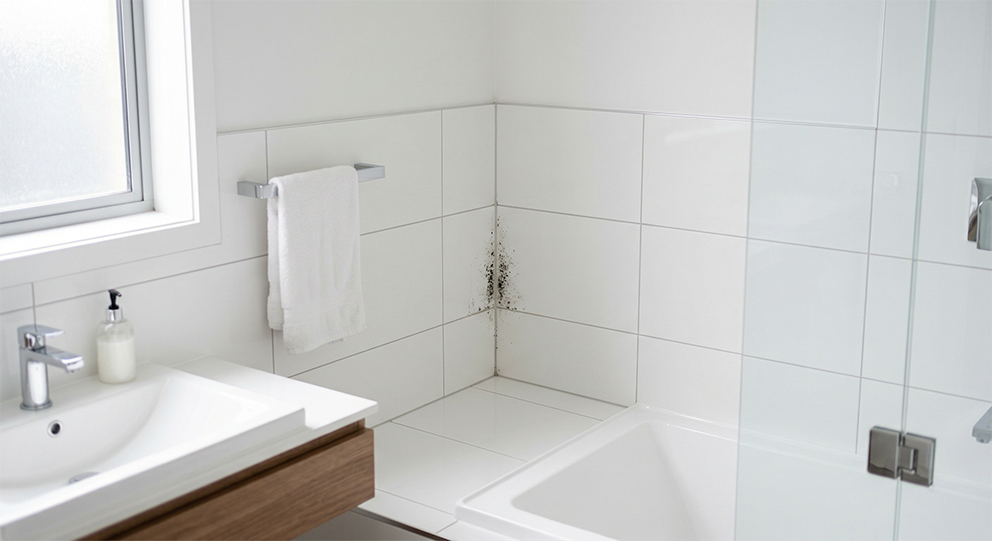
To fully appreciate the necessity of air purifiers for mould, you first need to understand what mould is.
Mould is a type of fungus that thrives in damp, humid environments. It reproduces by releasing microscopic spores into the air, which can then spread throughout your home.
When inhaled, these spores can cause a range of health issues, including allergic reactions, respiratory irritation, and in more serious cases, asthma flare-ups or infections. People with existing respiratory conditions or weakened immune systems are particularly vulnerable.
Beyond spores, mould can also produce mycotoxins—microscopic airborne compounds that may contribute to poor indoor air quality and ongoing health concerns.
Even with good cleaning habits, mould spores can enter your home through open windows, doors, or on clothing. This is where high-performance air purification becomes an important layer of protection.
Let's get into the nitty-gritty of air purifiers.
You need to understand how these devices work, their main functions, and their effectiveness against mould.
Air purifiers work by drawing in air, passing it through a series of filters, and then releasing cleaner air back into the room.
Most air purifiers rely on a combination of filtration stages:
However, it’s important to understand that not all filtration is equal.
While standard HEPA filters capture particles down to 0.3 microns, many airborne pollutants—including smaller mould fragments and combustion particles—are even finer than this.
This is where IQAir’s HyperHEPA filtration offers a significant advantage, capturing particles down to 0.003 microns—up to 100 times smaller than what standard HEPA is tested against.
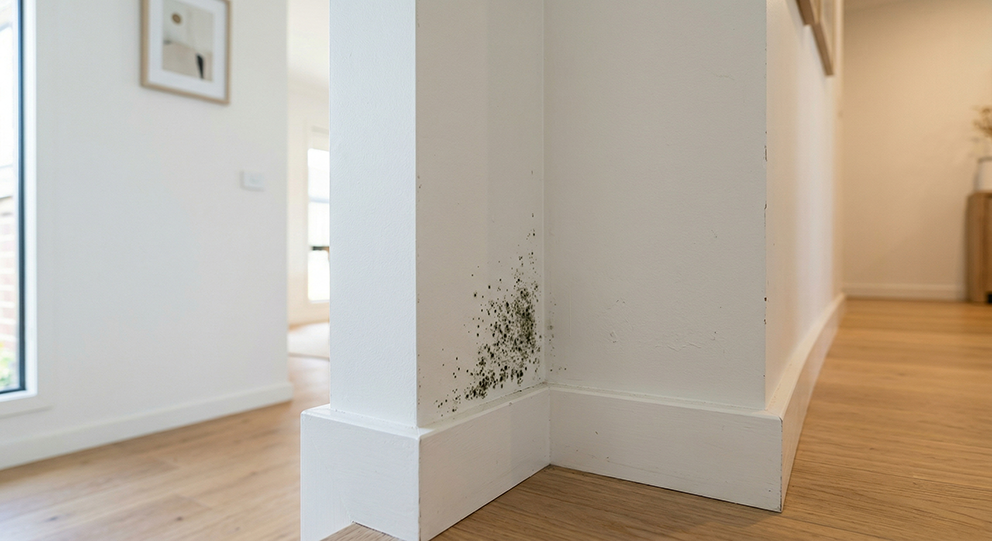
Air purifiers are particularly effective at targeting airborne mould spores, preventing them from spreading and settling in new areas.
With advanced systems like IQAir, filtration goes further, capturing ultrafine particles and helping to reduce exposure to mycotoxins and other airborne pollutants through specialised gas-phase filtration (such as Multigas technology).
This results in cleaner air and can help reduce symptoms such as coughing, sneezing, and irritation linked to mould exposure.
But the benefits don't stop there. Air purifiers also offer significant health benefits. By reducing the concentration of mould spores, they can help alleviate allergies and respiratory issues linked to mould exposure. Symptoms such as coughing, wheezing, and skin irritations can be significantly reduced, enhancing your overall well-being.

Air purifiers tackle mould through continuous air circulation and high-efficiency filtration.
This combination is particularly important in environments with ongoing mould exposure, where basic filtration may not be sufficient.
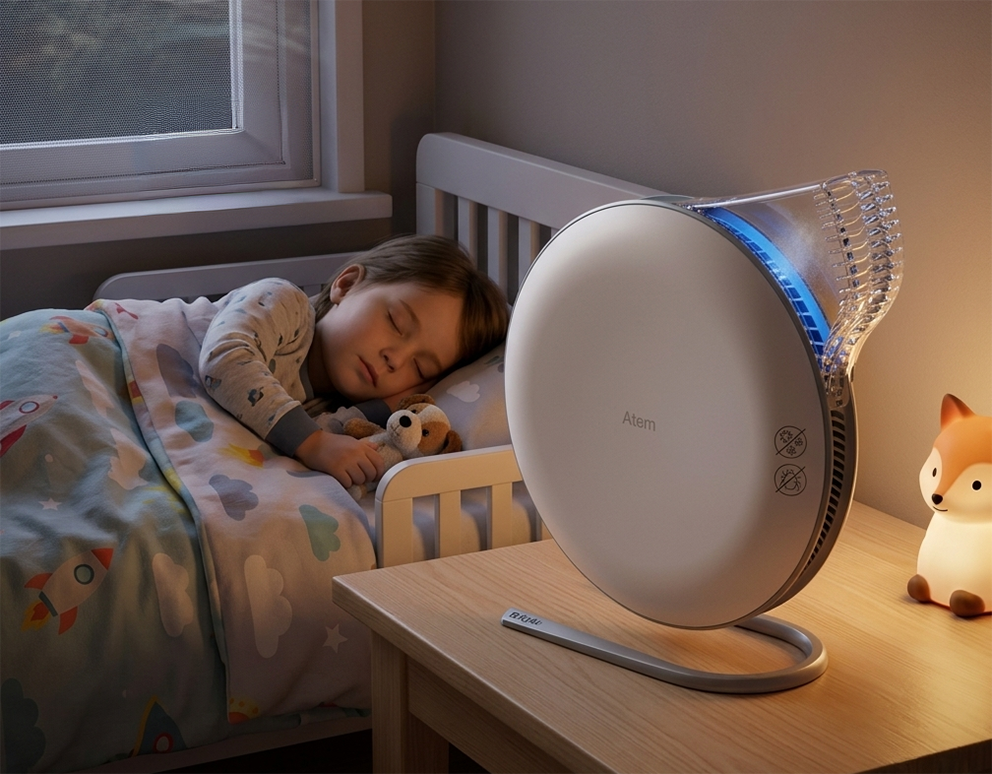
Almost any indoor environment can benefit from an air purifier, but they're particularly effective in places prone to dampness and poor ventilation, which are ideal conditions for mould growth. Basements, bathrooms, garages, and kitchens are often hotspots for mould due to their increased humidity and limited airflow.
The efficacy of an air purifier largely depends on your purifier maintenance and the size of the room. If you're dealing with a larger room, you'll need a more powerful air purifier to effectively clean the air. Regular purifier maintenance is also essential as a poorly maintained air purifier won't perform optimally, thereby reducing its ability to capture mould spores.
For instance, if you neglect to clean or replace the filters, the purifier's performance can decrease significantly. Filters filled with dust and mould spores may not only result in poor air quality but can also lead to the growth and dispersal of mould within the device itself.
Therefore, understanding the ideal environments for air purifiers, the importance of regular maintenance, and choosing the right purifier for your room size can greatly enhance your air quality and control mould growth in your home.
In summary, aiir purifiers are especially useful in areas prone to moisture and poor ventilation, such as:
In these spaces, mould growth is more likely, and airborne spores can accumulate quickly.
For best results, it’s essential to choose a purifier that matches your room size and offers sufficient airflow. High-performance systems like IQAir are designed for larger coverage areas and consistent air cleaning, making them suitable for more demanding environments.
While air purifiers can be highly effective in combating mould, it's important to acknowledge their limitations.
Before you make a purchase, you'll need to take into account a variety of factors including room size, filter types, and noise levels.
While air purifiers are highly effective, they are not a complete solution to mould problems.
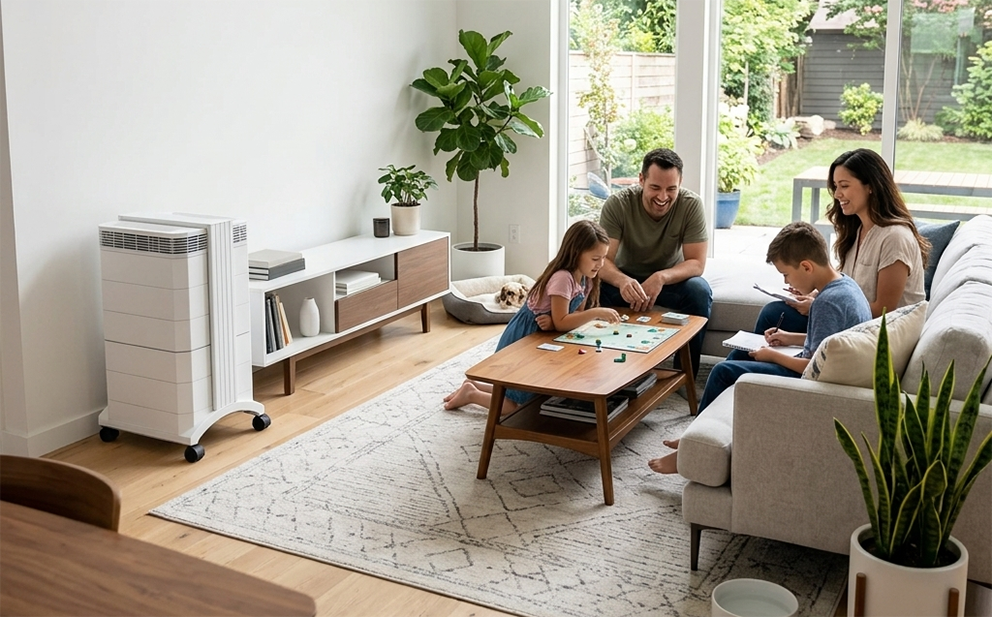
Before investing in an air purifier for mould, it's important to take into account a few key points that go beyond the mentioned limitations.
While premium systems like IQAir may have a higher upfront cost, they are designed for long-term performance and more comprehensive air cleaning.
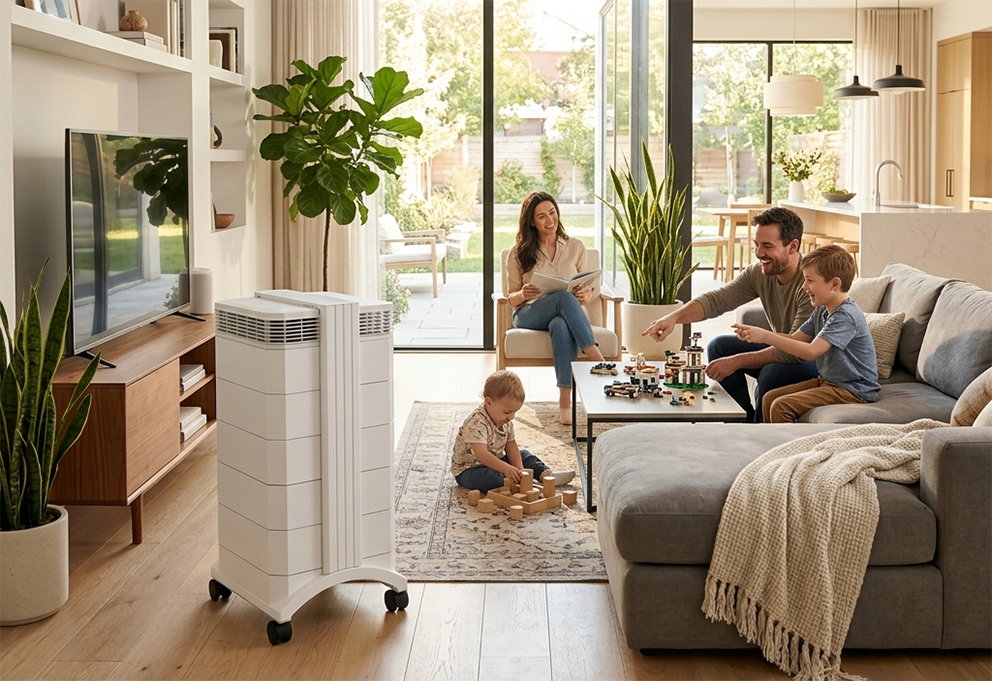
When looking to make an informed purchase of an air purifier for mould, you'll need to take into account several critical factors: it comes down to performance, reliability, and suitability for your environment.
If you are dealing with mould or concerned about air quality, investing in a high-efficiency system can make a meaningful difference.
IQAir air purifiers are widely regarded as some of the most advanced systems available, thanks to their:
For households dealing with persistent mould issues or sensitive occupants, this level of filtration provides an added layer of confidence.
Yes, air purifiers help by capturing airborne mould spores. High-performance systems like IQAir go further by filtering ultrafine particles and improving overall air quality.
You may notice improvements within a few hours, depending on room size and purifier performance. Continuous use is recommended for ongoing mould concerns.
They serve different roles. A dehumidifier reduces moisture, while an air purifier removes airborne spores. Using both together is the most effective approach.
Yes, they help manage airborne spores and improve air quality. However, moisture control is still essential to prevent mould growth.
Air purifiers help combat mould by trapping and neutralising spores, which can lessen allergies and breathing issues.
Air purifiers are an effective tool for reducing airborne mould spores and improving indoor air quality. However, they work best as part of a broader strategy that includes controlling moisture and addressing the source of mould.
Not all air purifiers are created equal. For environments where air quality is a serious concern, advanced systems like IQAir offer a higher level of filtration—capturing ultrafine particles and helping to address airborne contaminants that standard filters may miss.
If you’re looking to create a healthier indoor environment, choosing the right air purifier can make a significant difference.