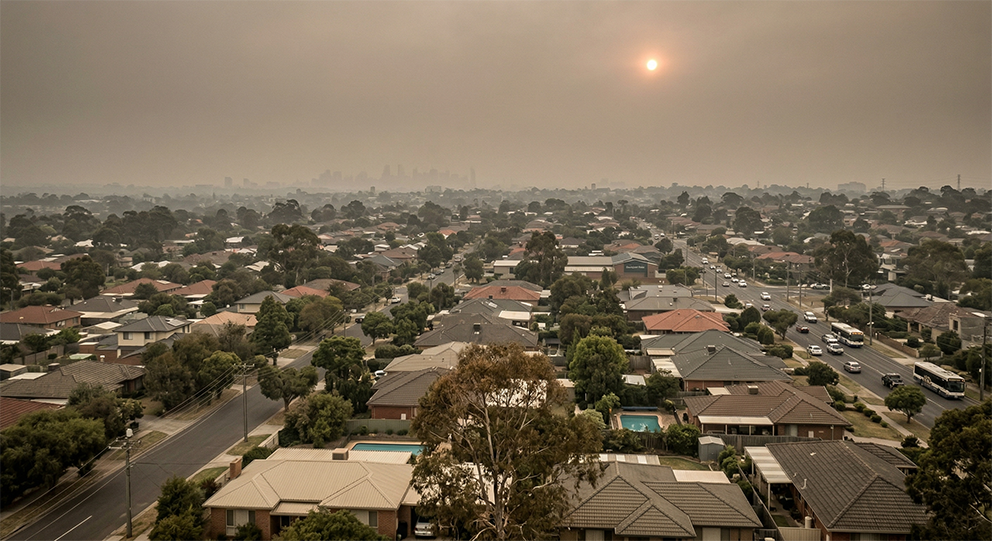
Climate change is no longer a distant concern. It is already affecting communities across Australia and around the world. Scientific evidence shows that human activity is driving long-term changes in our climate, leading to more frequent heatwaves, severe storms, bushfires and flooding events.
These changes are not just environmental. They directly affect our health, safety and quality of life.
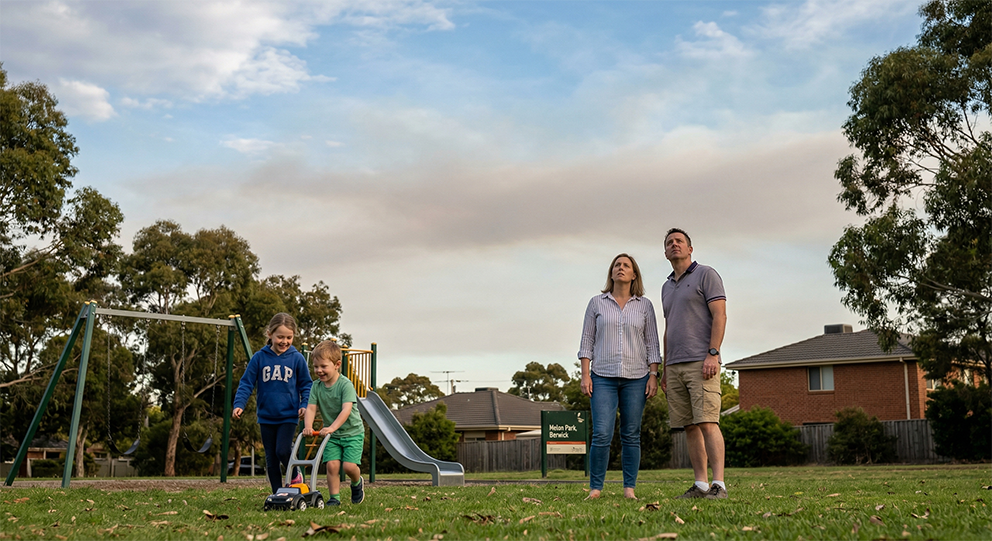
Air pollution and climate change are closely linked because they often come from the same sources. The burning of fossil fuels releases harmful gases such as methane and carbon dioxide into the atmosphere.
These pollutants degrade air quality while also trapping heat in the atmosphere, contributing to global warming. Addressing one issue often helps address the other.
Greenhouse gases such as carbon dioxide, methane and nitrous oxides trap heat in the atmosphere. Instead of allowing heat to escape into space, they hold it close to the Earth’s surface, gradually increasing global temperatures.
This process is known as the greenhouse effect and is a major contributor to climate change.
Air pollution also includes fine particulate matter, commonly referred to as PM2.5. These particles measure 2.5 micrometres or less and can penetrate deep into the lungs.
Exposure to PM2.5 is linked to respiratory and cardiovascular conditions and is a major concern during bushfire season in Australia.
To reduce exposure indoors, many households and businesses rely on high-performance systems such as the IQAir Healthpro 250 XE air purifier, which is designed to capture ultra-fine particles including PM2.5 and other harmful pollutants.
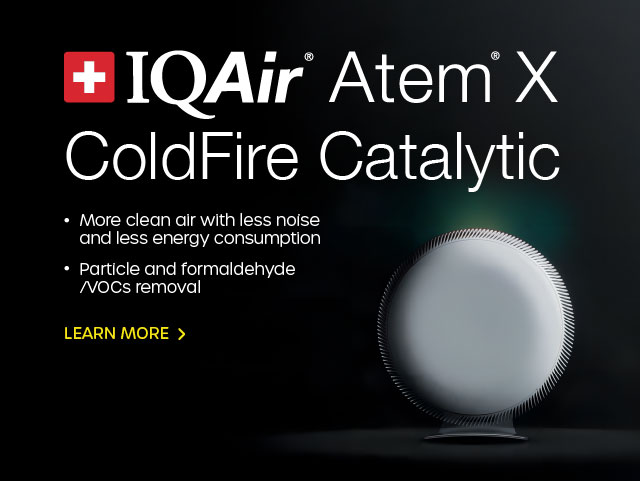
For smaller spaces or targeted personal use, the IQAir Atem X air purifier offers advanced filtration in a compact, design-forward unit suitable for bedrooms, offices and apartments.

Rising temperatures can worsen air pollution levels. For example:
These patterns are becoming more common across Australia, particularly during extended dry periods.
Air pollution can directly influence weather systems.
Moderate levels of particle pollution can lead to taller clouds and more intense storms, including increased rainfall and lightning.
In contrast, very high levels of pollution, such as dense smoke, can block sunlight and reduce cloud formation, limiting rainfall.
Some particles reflect sunlight, while others absorb it. Black carbon, produced by burning fossil fuels and biomass, absorbs heat and contributes to warming.
When black carbon settles on ice, it accelerates melting. This reduces the Earth’s ability to reflect sunlight, further increasing global temperatures.
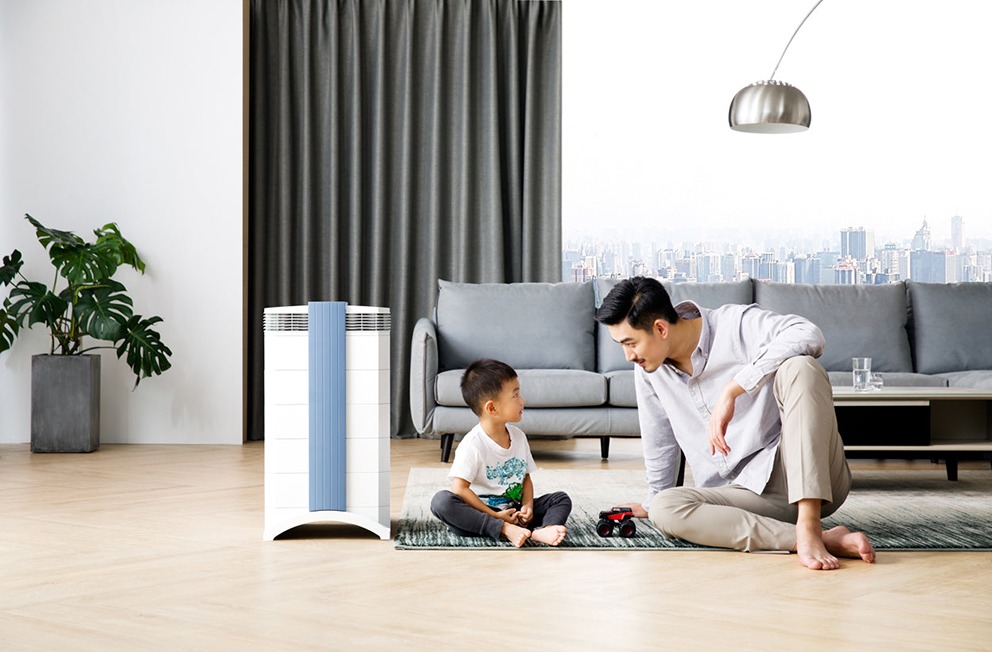
Reducing air pollution is essential for both human health and environmental sustainability.
Common sources of pollution include:
By targeting these sources, we can improve air quality while also reducing the impact of climate change.
There are practical steps you can take to reduce your impact:
Improving indoor air quality is also an important step. During high pollution events such as bushfires, using a medical-grade air purifier like the Healthpro 250 XE from IQAir can help protect indoor environments from harmful airborne particles.
For more flexible, room-to-room use, the IQAir Atem X provides powerful filtration in a compact format.
You can explore the full IQAir range available through Air Cleaners Australia here:
https://aircleanersaus.com.au/product-category/iqair-swiss-air-purifiers/iqair-air-purifiers/
Community action plays an important role in improving air quality. You might consider:
You can also contribute on a broader level by:
Individual actions can influence wider change across communities, businesses and governments.
For example, monitoring and sharing air quality data helps raise awareness and allows people to respond quickly during pollution events. Combined efforts can lead to meaningful improvements over time.

Air pollution and climate change are closely connected challenges that require immediate attention.
By reducing emissions, improving indoor air quality and supporting broader initiatives, we can protect both our health and the environment.
For those looking to take practical steps, Air Cleaners Australia offers industry-leading solutions including the IQAir HealthPro 250 XE and Atem X, designed to deliver cleaner indoor air in Australian conditions.